Feb 20, 2026
When Growth Slows, Builders Adapt: Walid Daniel Dib, on Building with Restraint, not Rush
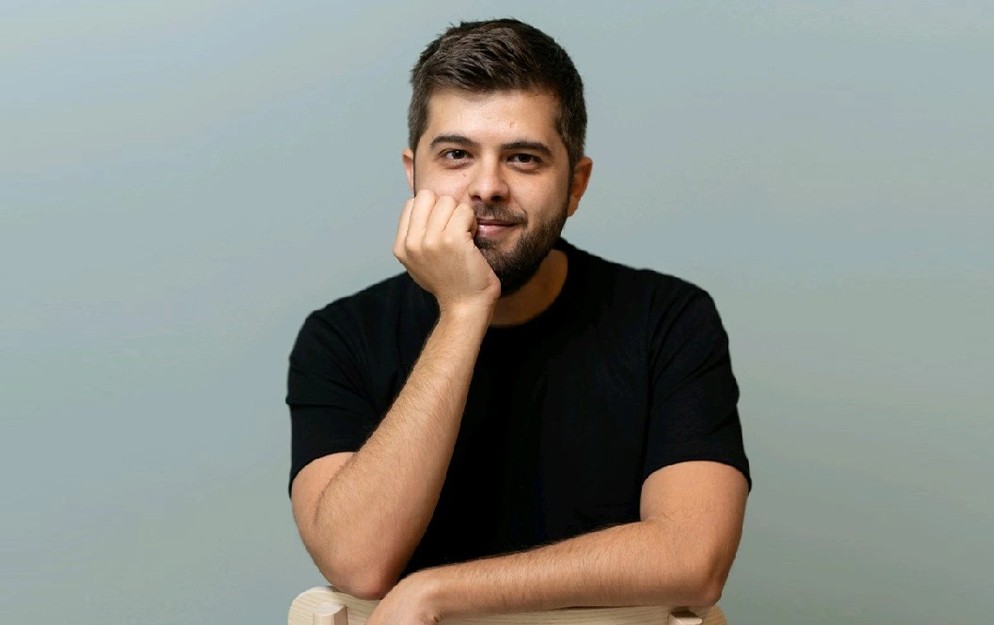
Getting it right early can trick you into thinking you have all the answers. You move fast, decisions feel easy, and you start to think the title of founder is just who you are.
And then, one day, it all stops.
For Walid Daniel Dib, that quiet moment was more important than any of his successful exits. After years of building companies with his brother, he hit a wall with a startup that just wouldn't take off. He had the passion, but the market wasn't there.
That shutdown was a blessing because it forced him to see things clearly and leave his ego at the door. He learned a simple lesson: moving fast only works if you're actually headed the right way.
From Concrete to Code
Walid didn't start in tech; he began as a civil engineer. It was a stable, logical job, but it felt too static; he found himself wanting the kind of friction that comes from solving messy problems that don't have a manual.
He left the safety of construction sites for the insurance world because he was pulled toward the high-stakes puzzle of managing risk. Eventually, the draw of building something from nothing led him into tech, where he traded his steady career to start shipping products alongside his brother.
Success right out of the gate feels great, but it can make you too confident. When his momentum finally stopped with a later startup that didn't find its footing, it didn't just end a business; it gave him a precise list of exactly what not to do next. He realized that while moving fast is important, speed without a system is just a faster way to hit a wall.
Trading Speed for Better Results
For a while, Walid was caught in rapid cycles, sometimes building and selling ventures in just a few weeks. But eventually, he chose to focus on better instead of just faster.
He stopped relying on his gut and started checking his ideas against what the market actually needed. This meant paying attention to regulations and the messy way people actually work. He stopped chasing big headlines and started focusing on profitability as his main goal.
It was during this time that he began grounding his work in a principle popularized by Paul Graham:
The way to get startup ideas is not to try to think of startup ideas. It's to look for problems.
This shift, moving from inventing solutions to identifying real-world pain, changed everything. He realized the most expensive mistake one can make is becoming overly attached to a specific solution before talking to the people who actually have the problem.
This shift in his own thinking, which is moving away from guessing to gathering evidence, is exactly why he landed at Disrupt.com. He wasn't just looking for a new title; he wanted a system that turned this personal lesson into a daily habit.
Choosing Structure Over Isolation
Walid joined Disrupt.com as an Entrepreneur in Residence (EIR), a setup for founders who still want to make their own choices but are tired of feeling like they're building in a vacuum.
At Disrupt.com, ideas move through pods, where tech and sales test every assumption before the coding begins. This framework keeps you grounded, even when your own excitement pulls in a different direction.
A Week in the POD
Walid’s week isn’t spent in a quiet office dreaming up big ideas. Most of his time is spent with his pod: a small team that includes a tech lead and a GTM (Go-To-Market) expert. They aren't there to just agree with him; they are there to stress-test every assumption he has before a single line of code is ever written.
He spends a lot of time on the phone with potential customers. He isn't pitching a solution or showing off a demo. He's just listening to them talk about their daily headaches. This is how he tackles the cold start problem: the gruelling work of finding that very first person who actually cares about what you're building.
When it's time to review progress, he meets with the venture team to look at the numbers. Instead of looking for reasons to keep an idea alive, they look for reasons to kill it. It works like an assembly line for startups. If the market feedback isn't strong, the idea is scrapped immediately. This structure makes sure he doesn't waste months building something nobody wants.
The Hardest Part: Learning to Listen Again
The biggest challenge of this shift wasn't the work; it was the internal change. After years of making his own calls, trusting a process he didn't design took a lot of humility.
"The hardest decision was to follow a framework... that is not inherently mine," he says. It meant being willing to stop early if the signals weren't strong, rather than pushing forward out of pride. He had to learn how to be in front of the firing squad again, reporting progress and being corrected by his team.
Keeping Life Simple Outside the Office
Walid doesn't buy into the biohacking trends that usually fill a founder's social media feed. Even though he founded a men's telehealth company, you won't find him doing ice baths, journaling, or morning Pilates. Instead, he keeps things much more grounded.
He admits he probably needs to start taking better care of his energy, especially since he's dealt with burnout. But for now, his way of switching off is what he calls dorky. He spends his downtime on small video game development projects or playing Dungeons & Dragons with his friends.
For him, it's not about finding a high-performance hack, it's just about having a simple way to step away from the pressure and clear his head.
Looking at Service as Software
Walid is excited about how AI can turn traditional service businesses like law, accounting, or marketing into software models. These industries are usually built on manual work, but they could become much more efficient if they are automated.
But his approach stays the same: ignore the hype, find a real problem, and talk to people before building. The opportunity isn't in chasing trends. It's in applying structure to them.
Starting Over on Purpose
Someone who has already made it is choosing to start again. But this time, it's not about chasing the hype or seeing how fast he can grow. It's about bringing clarity.
This is why Walid remains committed to the problem-first mindset he adopted earlier. At Disrupt.com, the Paul Graham principle isn't just a philosophy; it's a job description that keeps him from getting too comfortable with his own intuition.
He isn't trying to prove he can build something; he has already done that. He's trying to prove that a specific problem is actually worth solving before he commits the next few years of his life to it. Between the dorky D&D sessions and developing video games, he has realized that the best way to build something that lasts isn't about being the one with all the answers; it's about having the humility to let the market deliver the corrections.