Contents
The Coordination Problem
Islamic finance does not have a demand problem. It does not have a relevance problem either. It is already a multi-trillion global financial system, with serious institutions, serious capital, and increasingly sophisticated products.
What it has is a coordination problem. And tokenization is making that problem impossible to ignore.
Everyone talks about putting assets onchain. That is becoming the easy part. The hard part is getting everything around the asset to work together:
- Legal structure
- Regulation
- Custody
- Technology
- Shariah governance
- Distribution
- Investor access
Most tokenized products are not killed by one catastrophic mistake. They die in the spaces between those things. Five specialists can each do their job correctly, and the product can still go nowhere, because nobody owns the whole journey.
The gap isn't appetite. The gap is coordination.
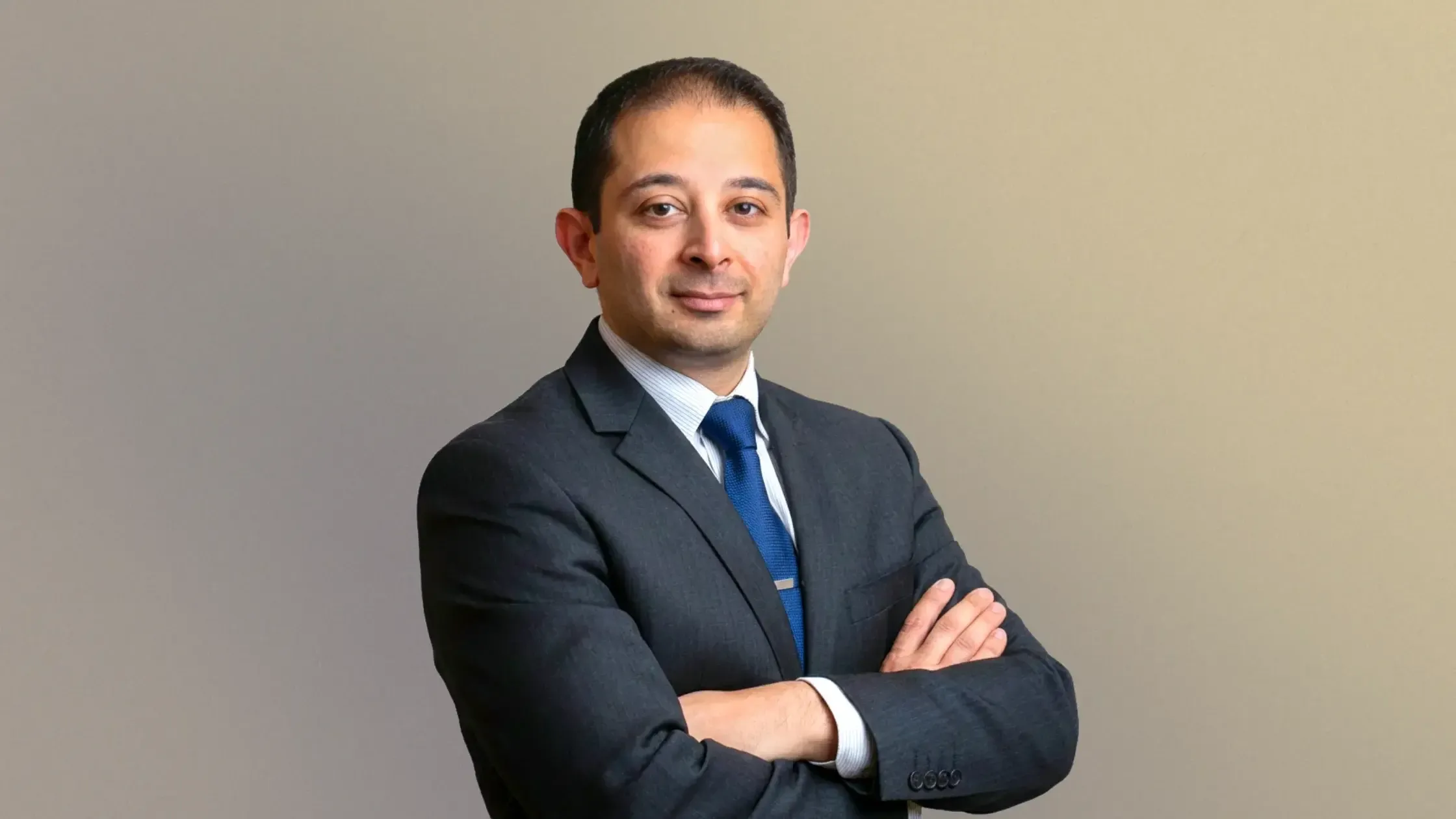
Islamic finance assets are approaching $4 trillion globally, yet in tokenization, 'Shariah-aligned' is often a label applied after the structuring is done, not a constraint applied before it begins. — Umair Tariq, CEO, Zamanat
The Product Is Not the Problem
The industry has spent a lot of time talking about products: new funds, new tokenized assets, new wrappers, new platforms. But a better product does not solve a broken path to market.
A tokenized investment product has to exist inside several systems at once. The economics have to work. The legal structure has to work. The regulatory pathway has to be clear. The custodian has to be comfortable. The technology has to fit the structure. Shariah governance has to survive the full lifecycle. The distributor has to be able to onboard it. And eventually, an investor has to be able to invest in it.
That sounds obvious. In practice, it is where things break.
A legal adviser finishes the SPV. A technology provider issues the token. A custodian handles custody. A Shariah board reviews the structure. A distributor evaluates the product. Everyone completes their piece. Nobody owns what happens between them.
The individual pieces work, but the system doesn't.
That is not a product problem. It is a coordination problem.
Zamanat Owns the Handoffs
This is what Zamanat is being built to solve. Zamanat is the single accountable partner for tokenized investment products, not another vendor in the chain. The accountable partner across it.
Zamanat coordinates asset selection, structuring, regulatory navigation, technology, custody, Shariah governance, and distribution into a single connected workflow. That distinction is important. It does not need to become the fund manager. It does not need to become the custodian. It does not need to become the law firm, the technology provider, or the distributor. Specialists should do specialist work.
But somebody has to own the system. Somebody has to make sure the structure works for the regulator, that the regulator works for the distributor, that the distributor works with the custodian, that the technology reflects the actual legal structure, and that Shariah governance is not sitting outside all of it waiting to approve the final version.
That somebody is Zamanat.
Zamanat exists to own that gap: one accountable partner across structuring, regulatory navigation, custody, and distribution, rather than a set of vendors each finishing their own piece. The next institutional standard in tokenized finance will be set by whoever can make that ownership real. — Umair Tariq, CEO, Zamanat
Shariah Alignment Cannot Be a Sticker
This is where the category needs to be more honest with itself. Shariah-aligned cannot simply mean taking a finished product to a Shariah board at the end and asking for approval. If Shariah principles affect asset selection, economics, contracts, counterparties, liquidity, transfer mechanics, and distribution, then they must be present when the product is designed. Not after.
Otherwise, Shariah governance becomes a layer for review. Zamanat treats it as an architecture layer. That changes the sequence: Shariah governance enters while the asset is being selected, while the structure is being built, before technology is locked, before distribution mechanics are fixed, before decisions become expensive to reverse.
Not compliance after construction. A constraint that shapes the construction.
That becomes even more important with tokenized products. Putting something onchain does not magically remove the legal, regulatory, custody, or Shariah obligations around it. It just means all those things now have another system to work through. Technology does not remove complexity. Badly coordinated technology multiplies it.
Issued Is Not the Same as Investable
This is one of the biggest misconceptions in tokenization. The token exists. Great. Can anyone actually invest in it? Those are very different milestones.
- Can the investor complete KYC?
- Can the distributor onboard the product?
- Does the custodian arrangement meet institutional requirements?
- Does the legal structure match the investor journey?
- Does the whitelist architecture match the distribution model?
- Does Shariah governance extend through transfer and redemption?
- Has the distributor done its due diligence?
- Can capital actually move?
If the answer is no, you have successfully tokenized an asset. You have not built a market.
Issued is not the same as investable. And tokenization without distribution is infrastructure without an outcome.
This is why Zamanat is designed around the entire path from structuring to distribution readiness. Not issuance for the sake of issuance. Capital reaching the product. That is the outcome.
The First Product Is Not the Business
There is another reason coordination matters. The first product is hard. Everything has to be assembled: regulatory pathways, counterparties, custody, governance, technology, documentation, distribution.
The mistake is thinking the job is finished when the first product launches. It should be the opposite. The first product should create the infrastructure for the next one. The second should move faster. The third should move faster again. That is when coordination becomes a system.
The thesis is whether every product makes the next one easier to structure, govern, and distribute. Because if the system compounds, Zamanat stops being a service around tokenization. It becomes infrastructure for the category.
Why Disrupt Is Building It
At Disrupt, we are not particularly interested in markets that need better marketing. We are interested in markets where demand has outpaced the infrastructure supporting it. Those gaps are interesting. They usually look messy: different players own different pieces, everyone agrees there is an opportunity, and nobody owns the whole problem. That is where we like to build.
Islamic finance does not need to be made relevant. It already is. It does not need a Web3 story to become interesting. It already has scale, capital, and institutional demand. What is missing is the infrastructure that helps more products move from an idea through structuring, governance, and regulation, all the way to an investor.
Not a nicer wrapper around the category, but the plumbing underneath it.
That is the structural problem behind Zamanat. And structural problems are where Disrupt belongs.
The Infrastructure Is the Point
The next phase of tokenized finance will not be won by whoever tokenizes the most assets. That race is not very interesting.
The real race is who can make those assets institutionally usable: who can connect the structure to the regulator, the regulator to the technology, the technology to the custodian, the custodian to the distributor, and the distributor to capital, then make that entire chain repeatable.
The opportunity is not simply putting assets onchain. It is making them institutionally usable. The next phase of tokenization will be won by firms that can connect financial structuring with compliant distribution. That is where the real work sits. — Umair Tariq, CEO, Zamanat
Not a Rebrand. One Accountable Partner.
Islamic finance doesn't need a rebrand. It doesn't need another label either. It needs infrastructure that works from product to market without breaking at every handoff.
It needs one accountable partner.
That is what Zamanat is building.
.webp)