Contents
At Istanbul Ignited by Slush’D, a Disrupt panel tested what AI agents can and cannot do.
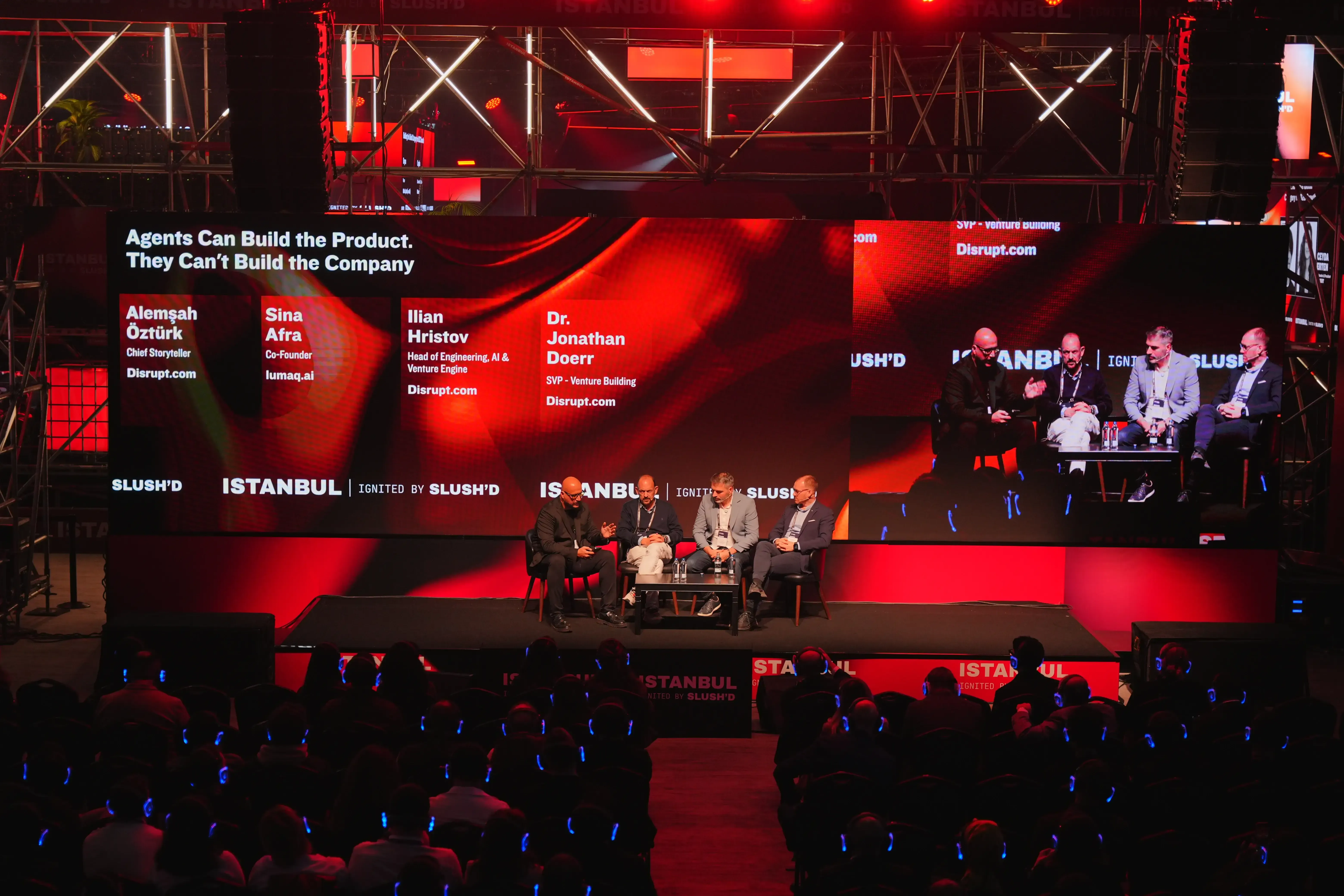
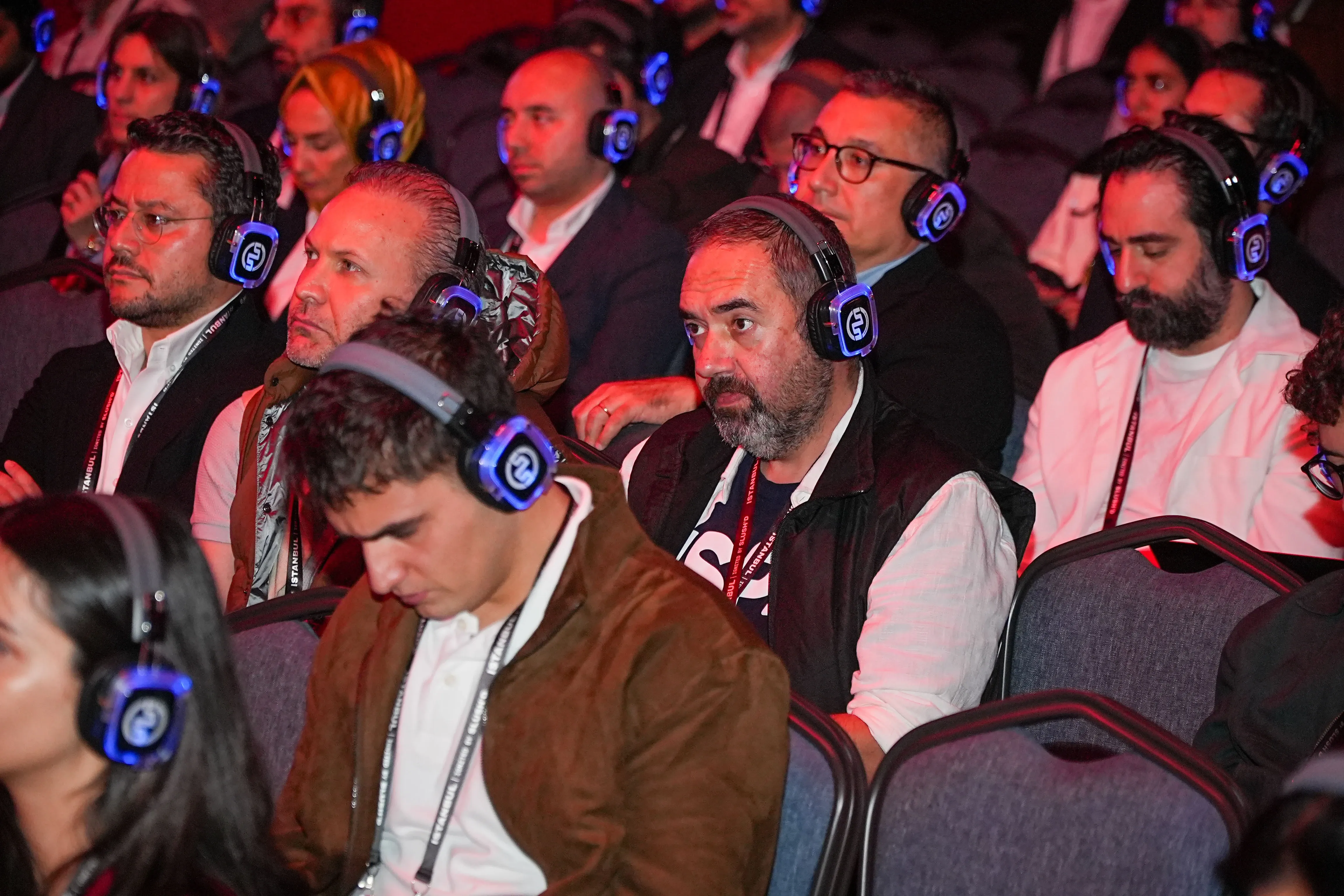
On October 13, on the Golden Horn Stage at Rixos Tersane Istanbul, four people took on one question during Istanbul Ignited by Slush’D. If AI agents make building a product almost effortless, what does it take to build a company?
Alemşah Öztürk, Chief Storyteller at Disrupt, moderated. Dr. Jonathan Doerr, SVP – Venture Building, brought the company-building view. Ilian Hristov, Head of Engineering, AI & Venture Engine, brought the engineering reality of agents. Sina Afra, entrepreneur and investor, joined them on stage.
Three things came out of the panel.
Agents raise the bar for founders. They do not lower it.
Judgment and accountability stay human.
When anyone can build, trust and distribution decide who wins.
The solo founder has a second-order problem.
One founder with enough agents is the idea everyone wants to test. Ilian started from a simple rule. Anything that can break will break.
A solo founder is no longer only building the product. The founder is building the machine that has to build the product. It used to be that the founder ships the org chart and the organization ships the product. A strong human team can deliver in spite of the founder. Agents do not give that resilience. Small errors compound.
If your agents are 90% correct and you repeat that over 20 steps, you have a 10% chance that everything is correct. — Ilian Hristov, Head of Engineering, AI & Venture Engine, Disrupt.com
Human teams self-correct. Agents do not. So the failure point moves to the founder. Ilian’s conclusion was direct. The age of AI needs better founders, not fewer of them.
A task ends. A responsibility does not.
Alemşah asked what each panelist would genuinely hand to an agent today, and what they never would.
Ilian drew the line between a task and a responsibility. A task has an ending. A responsibility is ongoing. Follow-ups are an easy handover. Agents never tire of repeating what was said and decided, and more startups fail from dropped balls than most people think.
What he would keep is the thinking that decides what comes next. AI knows the paved road. Ask it what comes after, and it gives the most likely answer.
Jon made the same point from the hiring side. Agents get the context, the boundaries, the outcome and the tools. Humans keep the judgment and the accountability. The first people to hire are the ones who can steer a venture somewhere no one has been. The founder is still the most important person in the company.
AI-native companies are designed, not retrofitted.
Most enterprises are adding AI one use case at a time. People go in, connect new platforms to old systems, and agents learn the workflows from inside.
Ventures built from zero work the other way. At Disrupt, every new venture starts with a GitHub repository that holds all of its context. Before asking whether a human can solve a problem, the team asks whether an agent can.
Ilian explained why that matters. The more legible and accurate a company’s context is, the more it gains from every new model.
Jon expects these organizations to look very different from today’s. Whether established enterprises can follow is still open.
Trust decides some ventures. Agents decide others.
Alemşah pushed the argument further. AI influencers already produce video at volume and drive traffic to apps.
We’re seeing lots of content creators and creative networks creating their own AI versions. — Alemşah Öztürk, Chief Storyteller, Disrupt.com
If agents can build the product and the distribution too, what is left?
Jon’s answer: when everyone can build anything and market it well, everything starts to look the same. For some ventures and products, that makes trust the deciding factor, more than it is today. The human element plays a big role there.
For others, marketing stops mattering at all. An agent picks the database or the tool itself. If it can read an MCP server and get the information, it decides in seconds. What a venture builds decides which rules apply.
Distribution is what a venture builder brings.
Startups need fewer people every year across go-to-market, tech, legal and finance. Agents take on more of that work. Jon accepted that the one-founder company may come. He argued the advantage moves elsewhere.
We bring knowledge, expertise and founder DNA. Most important of all, we bring distribution. — Dr. Jonathan Doerr, SVP – Venture Building, Disrupt.com
For Disrupt, that right to win sits in clusters like cybersecurity and blockchain finance, where we already have customers, data and market access.
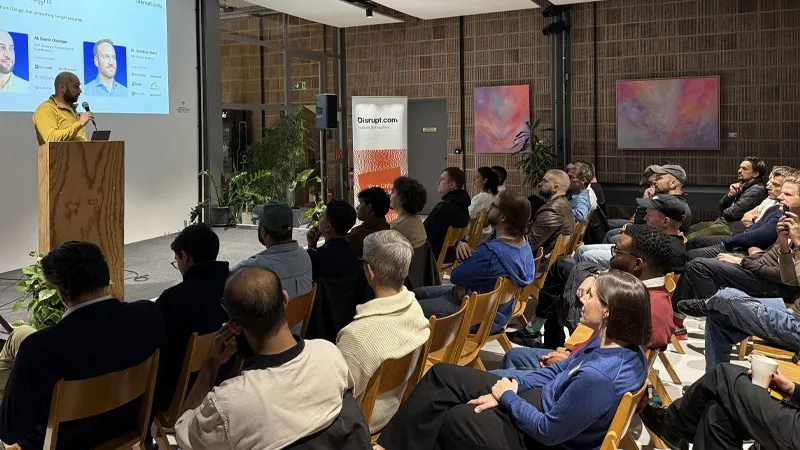
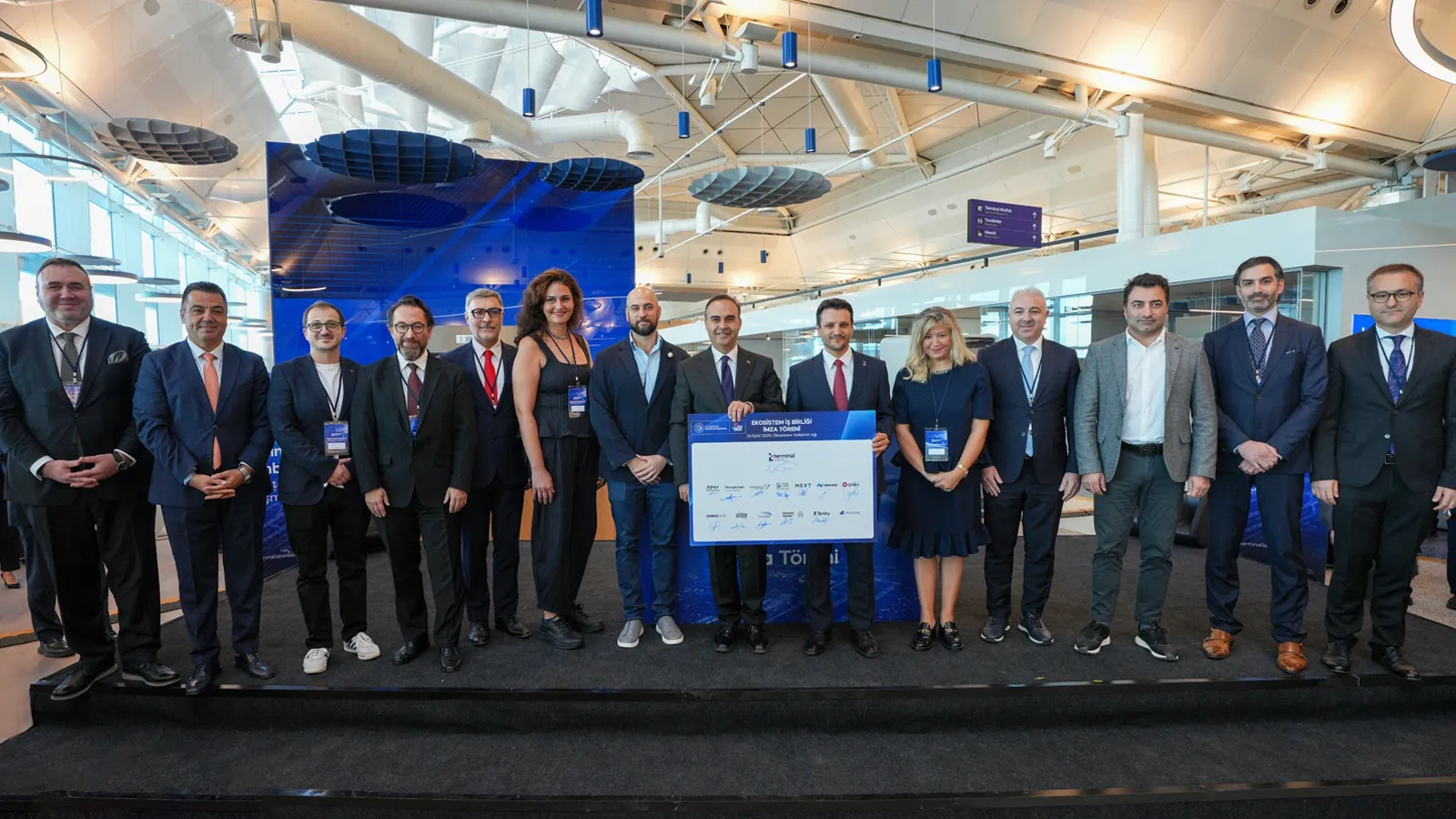
The conversation continued that evening. Disrupt hosted the Builder’s Meetup at Kolektif House Levent, where founders saw how we build ventures in practice. It came three weeks after we signed on with Terminal İstanbul.
Venture building is about the unlikely outcome, not about the likely one. — Ilian Hristov, Head of Engineering, AI & Venture Engine, Disrupt.com
Agents will keep getting better. That is why founders still matter.